
Wet Carpet Drying
Professional Wet Carpet Drying in North Epping
Wet carpets in North Epping can quickly lead to mould, odours, and structural issues if not addressed promptly. Our wet carpet drying service uses industrial-grade dehumidifiers and air movers to extract moisture efficiently, restoring your carpets to a safe, dry condition.
North Epping’s mix of older homes and modern properties often means carpets are laid over timber or concrete subfloors. Water from burst pipes, leaks, or flooding can seep into these layers, making professional drying essential to avoid long-term damage.
We understand the urgency of water damage. Our team arrives equipped to assess the extent of moisture, target drying to affected areas, and monitor progress to ensure complete restoration. This approach minimises disruption while maximising results.
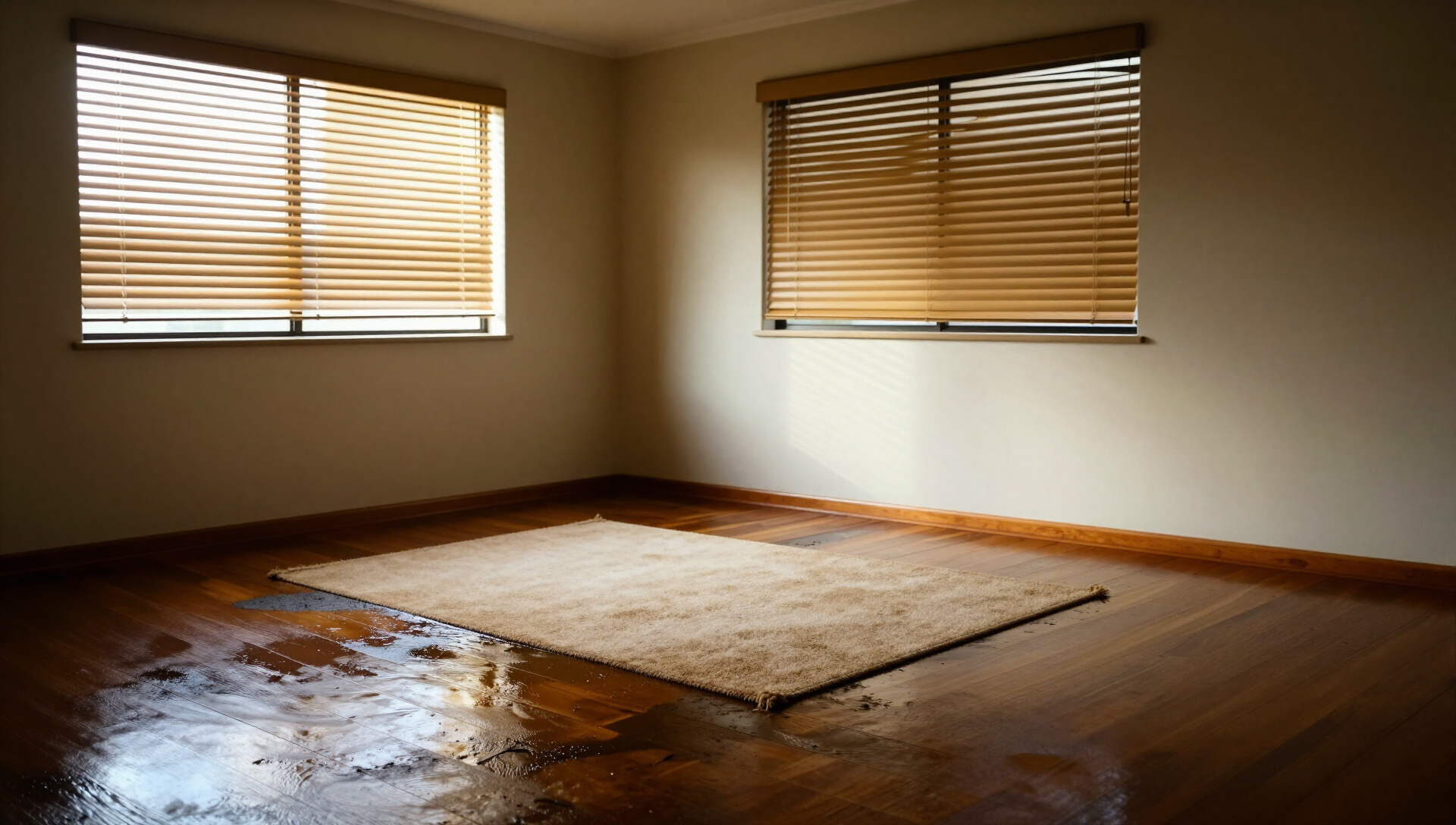
Whether it’s a small spill or a major flood, our methods are tailored to the specific needs of your property. We focus on thoroughness, not just speed, to protect your home or business from hidden moisture issues.
Signs Your Carpet Needs Professional Drying
Don’t wait for visible damage. These signs indicate your carpet may need urgent drying:
- Musty or damp odours in the room
- Visible water stains or discolouration
- Carpet feels spongy or damp underfoot
- Mould spots on walls or baseboards near the carpet
- Increased humidity or condensation in the area
- Recent water leaks, spills, or flooding
What to Expect from Our Wet Carpet Drying Service
Our process is designed to deliver fast, effective results with minimal hassle for you.
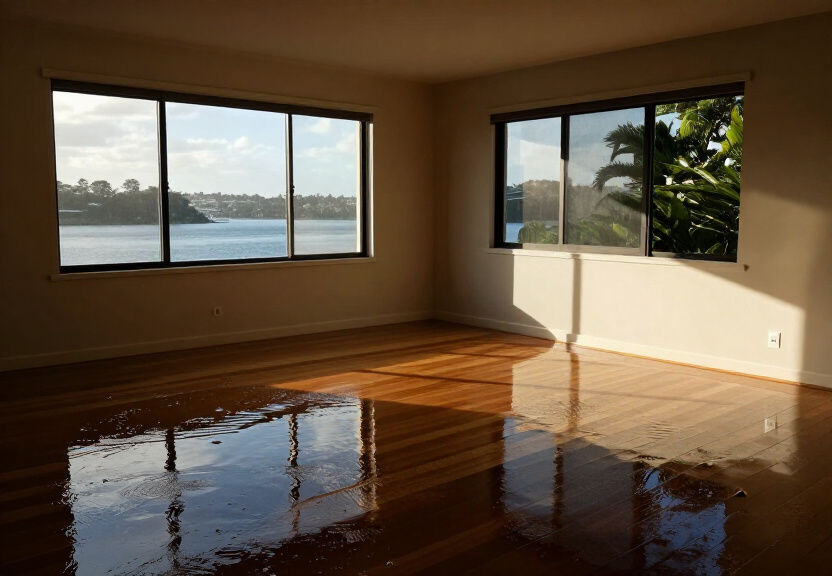
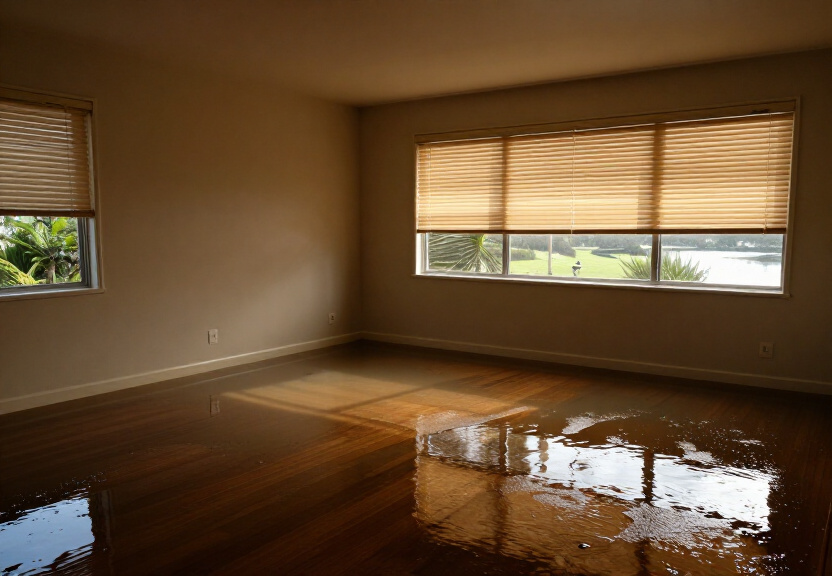
Why Choose Us for Wet Carpet Drying in North Epping?
- Rapid response to prevent further damage
- Advanced drying equipment for deep moisture removal
- Experienced in North Epping’s residential and commercial properties
- Clear, upfront process with no hidden surprises
- Focus on long-term protection, not just quick fixes
- Local knowledge of common water damage causes in the area
Who We Help in North Epping
Homeowners
North Epping homes often feature carpets in living areas, bedrooms, and hallways. Water damage can come from burst pipes, appliance leaks, or even heavy rain seeping through windows. Our service ensures your carpets are dried thoroughly to prevent mould and structural issues.
- Fast drying for family homes to minimise disruption
- Specialised care for carpets over timber or concrete subfloors
- Odour removal to restore a fresh, clean environment
Businesses
Offices, retail spaces, and other commercial properties in North Epping rely on dry, safe carpets for employees and customers. Water damage can disrupt operations and pose health risks. We provide efficient drying to get your business back on track quickly.
- Minimal downtime with same-day service options
- Drying solutions for large or high-traffic areas
- Sanitisation to ensure a healthy workspace
Benefits of Professional Wet Carpet Drying
Prevents Mould Growth
Moisture left in carpets can lead to mould within 24-48 hours. Our drying process removes water quickly to stop mould before it starts, protecting your health and property.
Saves Your Carpet
Prompt drying can often save carpets that might otherwise need replacement. This saves you money and the hassle of installing new flooring.
Protects Subfloors
Water can seep into subfloors, causing warping, rot, or structural damage. Our equipment targets moisture at all levels to prevent long-term issues.
Eliminates Odours
Damp carpets develop musty smells that linger. Our drying and dehumidification process removes the source of odours, leaving your space fresh.
Our Commitment to You
We stand by the quality of our work and the effectiveness of our drying process. Our goal is to restore your carpets to a dry, safe condition as quickly as possible.
Serving North Epping and Nearby Areas
We provide wet carpet drying services across North Epping and surrounding suburbs, including Epping, Carlingford, and Eastwood. Our local team understands the unique challenges of properties in this area, from older homes with timber floors to modern units with concrete subfloors.
Frequently Asked Questions
Drying time depends on the extent of the water damage, the type of carpet, and the subfloor. Most residential jobs are completed within 24-48 hours. We monitor progress closely to ensure thorough drying.
Yes. We work with both tenants and landlords to address wet carpet issues in rental properties. It’s important to act quickly to prevent further damage to the property.
In most cases, yes. The sooner we begin the drying process, the better the chances of saving your carpet. Delaying can lead to mould, odours, or structural damage that may require replacement.
Yes. Our service includes water extraction, drying, and dehumidification to ensure your carpets and the surrounding area are thoroughly restored.
Common causes include burst pipes, appliance leaks (e.g., washing machines or dishwashers), roof leaks, flooding from heavy rain, and even high humidity in poorly ventilated areas.
While fans and dehumidifiers can help, they often aren’t powerful enough to remove moisture deep in the carpet and subfloor. Professional equipment and expertise ensure thorough drying and prevent hidden damage.
What Our North Epping Customers Say
"Our living room carpet was soaked after a pipe burst. They arrived within hours and had it dry by the next day. No mould, no odours, and the carpet looks as good as new."
"We had a major leak in our office, and the carpet was ruined. Their team dried it completely and even helped with the cleanup. Minimal disruption to our business."
"I noticed a musty smell in my bedroom and called them. They found moisture under the carpet and dried it out before mould could grow. Great service."
Related Services
Water Damage Restoration
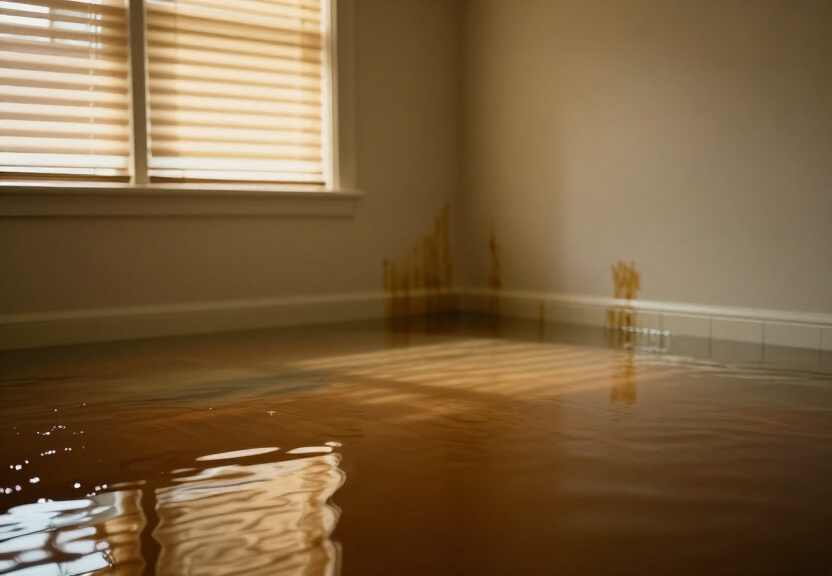
Water damage restoration brings the property back to a safe, habitable state by assessing affected materials and managing the full drying and repair plan. From water-impacted finishes to documentation needs, the service supports a complete recovery approach.
Learn More →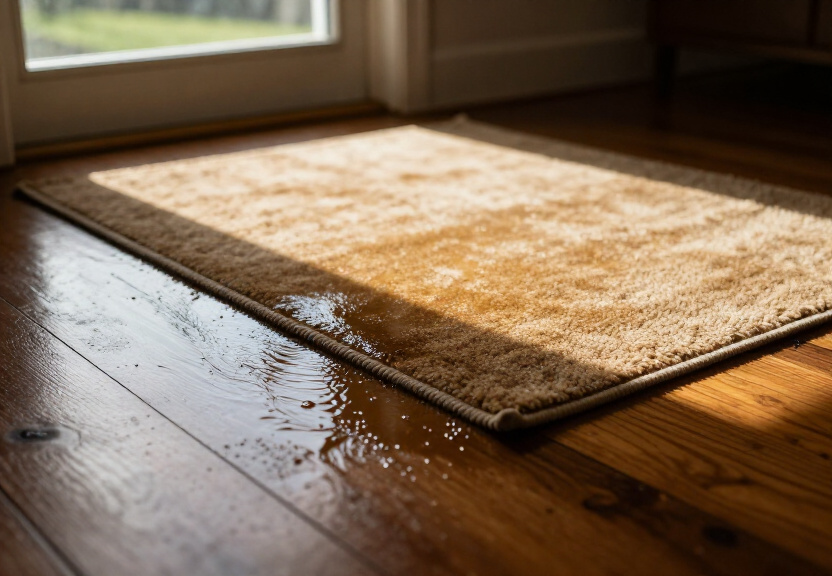
Wet Carpet Drying
Wet carpet drying repositions affected flooring, extracts surface water, and dries fibres and backing without unnecessary reinstallation. Controlled airflow and dehumidification help minimise shrinkage, staining, and persistent dampness that can lead to odours.
Learn More →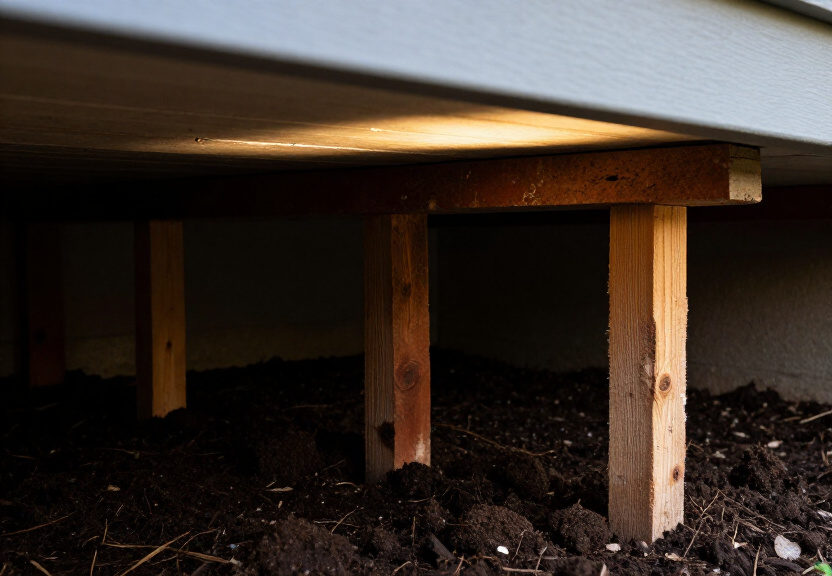
Subfloor Moisture Removal
Subfloor moisture removal tackles dampness beneath flooring where water can pool or wick into timber and other materials. Controlled extraction and drying help protect structural elements and minimise ongoing odour or mould problems.
Learn More →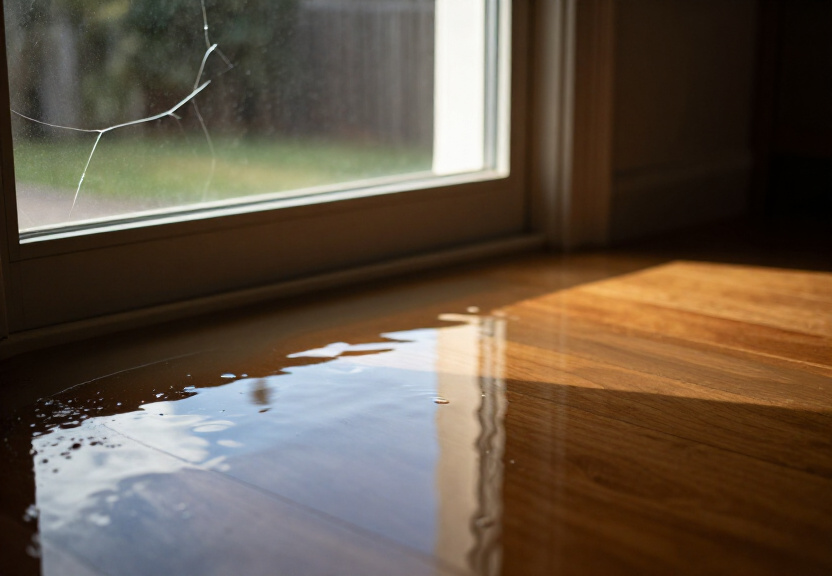
Water Extraction And Removal
Water extraction and removal quickly removes floodwater using appropriate pumps and extraction equipment. Removing bulk water early reduces damage, limits contamination spread, and accelerates the subsequent drying stage for faster recovery.
Learn More →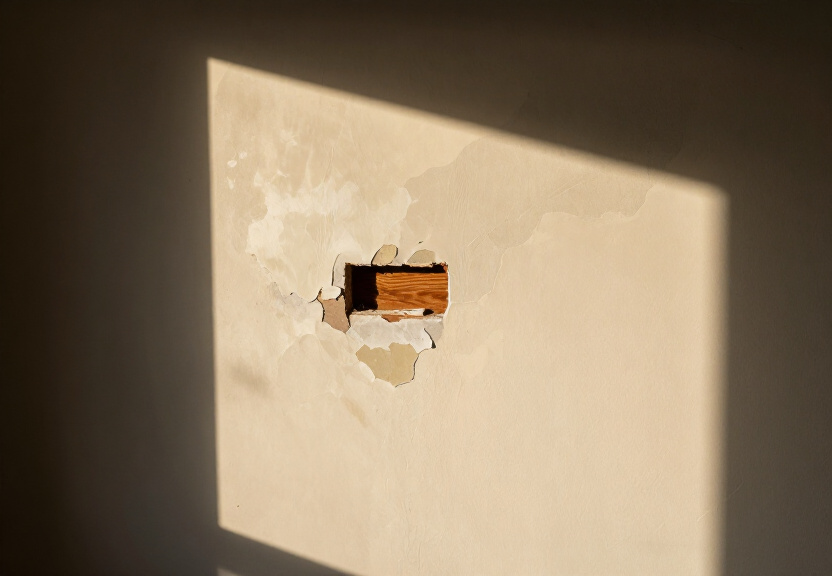
Structural Drying
Structural drying restores building materials to safe moisture levels using calibrated air movers, dehumidification, and continuous monitoring. This reduces risks like swelling, paint failure, and hidden microbial growth inside walls, floors, and roof spaces.
Learn More →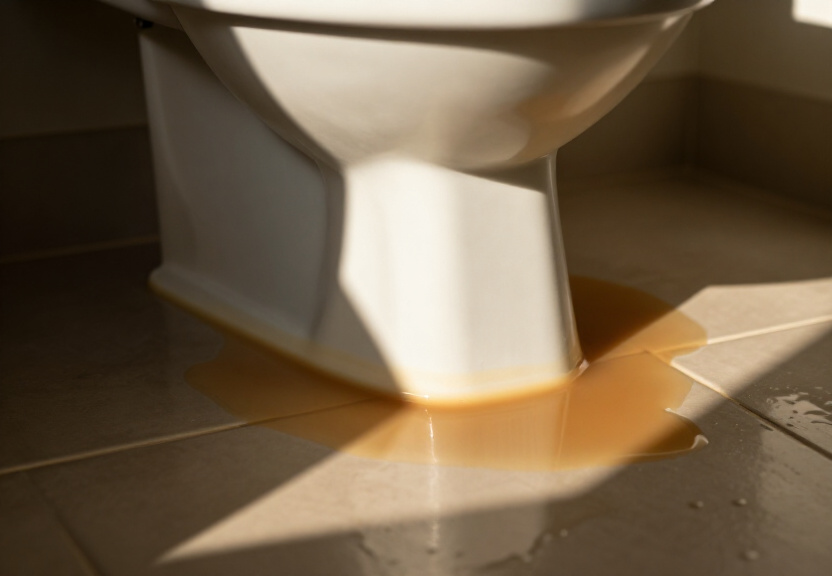
Sewage Cleanup
For contaminated water incidents, sewage cleanup includes removal of soiled residues and thorough disinfection of impacted surfaces. The workflow focuses on health and hygiene, reducing contamination risk while preparing areas for controlled drying and restoration.
Learn More →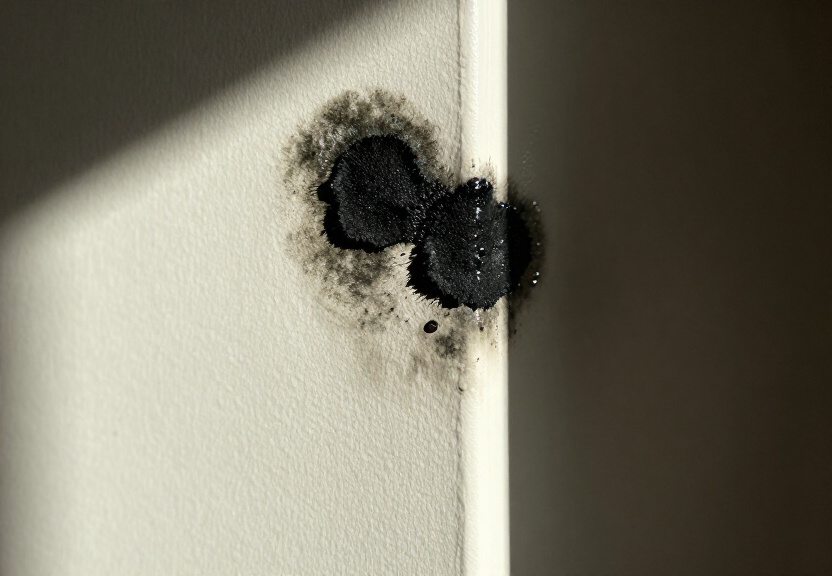
Mould Removal
When mould colonies have formed, mould removal isolates the affected areas and removes contaminated materials safely. After extraction, the space is sanitised so surfaces are ready for drying and rebuild, restoring a cleaner indoor environment.
Learn More →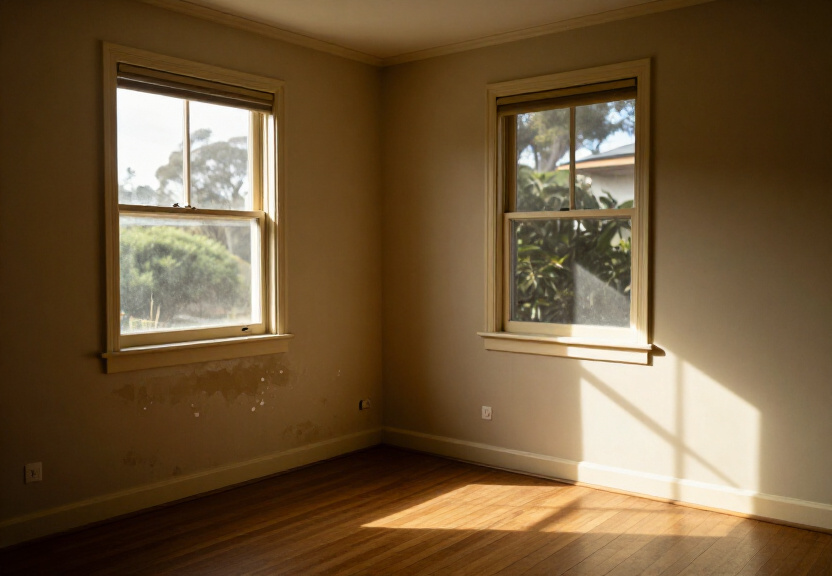
Odour Removal
Persistent flood odours from contaminated finishes and trapped moisture are addressed with targeted odour removal. We use odour control methods designed to neutralise lingering compounds, helping eliminate musty smells rather than simply masking them.
Learn More →
Mould Prevention Treatment
After floodwater recedes, apply mould prevention treatment to affected ceilings, walls, and concealed voids where spores can take hold. The process targets damp substrates and helps reduce the chance of recurring growth while restoration works proceed.
Learn More →